
Resin is a beautiful and modern preservation option, but like any art form, it comes with unique traits. We want you to feel totally informed about what’s normal to expect so there are no surprises.

The Journey of Your Preserved Blooms and What to Expect
It is important to have the accurate expectations for floral preservation before booking with anyone. It is our job to inform you of all the details beforehand. It is an honor to work with your flowers and we love to have you be a part of the process.
Embracing the Beauty in Imperfection
Rooted in the philosophy of Wabi-sabi, we embrace the natural variations of handmade art, knowing that because each piece is crafted by hand, subtle differences are expected and reflect the authenticity of the process rather than a flaw.
Color Variations
Bright, richly pigmented flowers often retain their vibrancy or develop into a deeper color, while lighter or pastel blooms may become more muted. White flowers, in particular, can take on ivory or yellow tones after the drying process and over time.

Texture Changes
Some petals may become more delicate or translucent, adding a unique character to your preserved piece. Your preservation will not be identical to your bouquet or original flowers.

Imperfections
Resin and pressed preservation is a careful art. No piece is ever 100% without flaw and this is what is beautiful about it. No one else in the world has the same preservation. Please expect some bubbles, flowers changing shape, transparent spotting for resin. For pressed preservation, there could be a few tiny specks of petals throughout the frame that come loose during shipping.

Size Limitations
Each preservation is custom made to fit the size selected, and larger blooms may need to be deconstructed when placed in smaller pieces. If only Petite Preservations are ordered and large flowers are sent, we may be limited to using petals or smaller elements to ensure proper fit and clarity. This is not a lack of care or craftsmanship, but simply due to size limitations. Design proofs are not provided for petite preservations, as these are arranged in studio based on best fit and composition. If you would like full sized flowers preserved, we recommend adding a larger preservation (6x6 or up) to your order.

Flower Quality
We preserve flowers as they arrive and cannot alter their shape after drying. The condition of your flowers when they reach us is the primary factor in the final result. Send them as soon as possible and in the best condition you can.
Even flowers that arrive within days may have already begun wilting, depending on when the bouquet was arranged. Color correction can enhance faded tones but cannot restore shape or bloom quality. Color correction works best on the freshest flowers and may cause delicate blooms to break during the process. We handle everything gently, but cannot guarantee fragile flowers won't have imperfections.
Some flowers cannot be color corrected and we have a list on this page.

Aging Over Time
Everything ages gracefully over time. While your memories remain preserved, the physical materials will naturally evolve. Pressed botanicals gently fade over time. We select materials and techniques specifically to honor this process and extend the beauty of your pieces for years to come. All glass we use is UV resistant to slow this gentle transformation.
Before
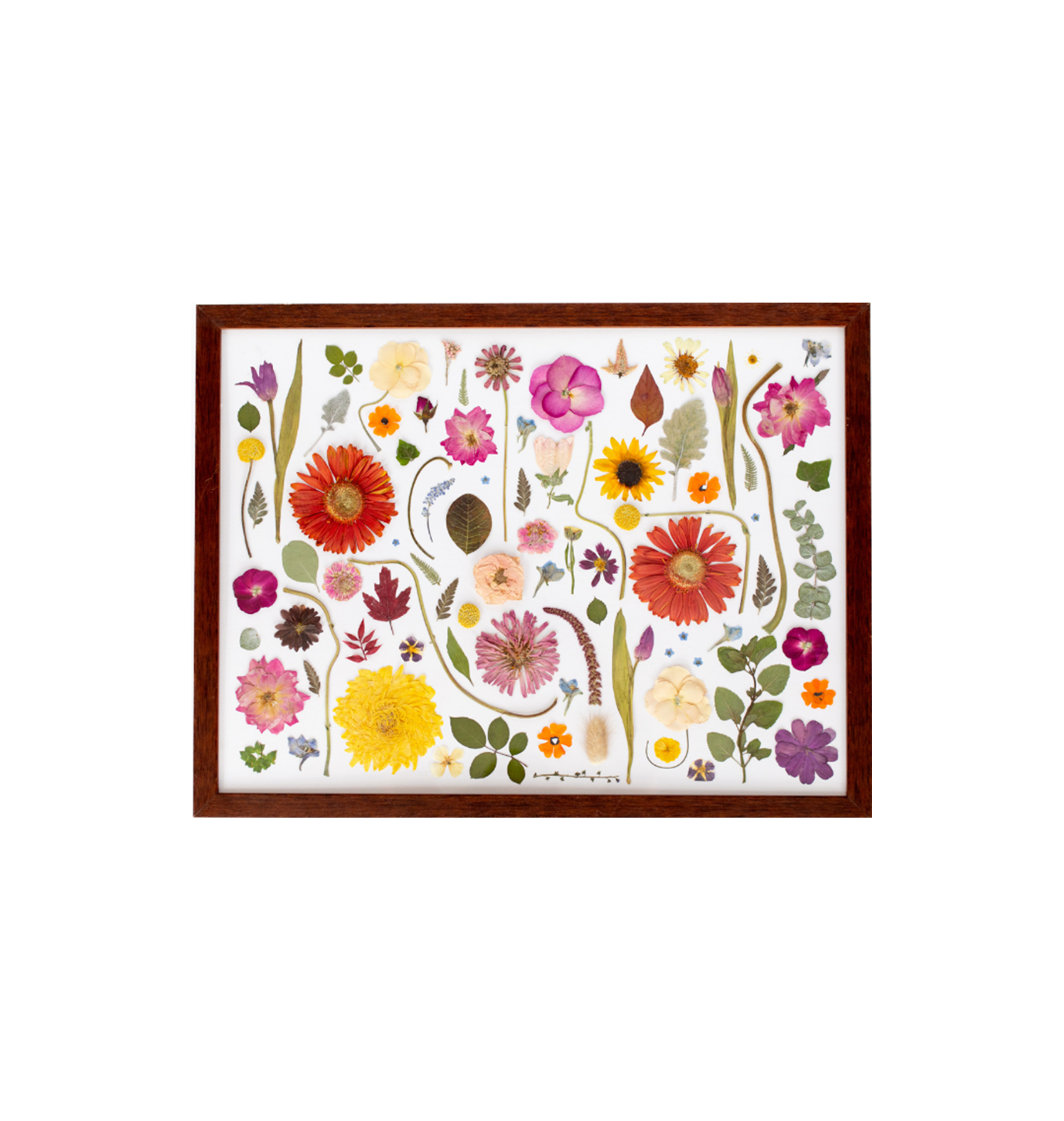
After
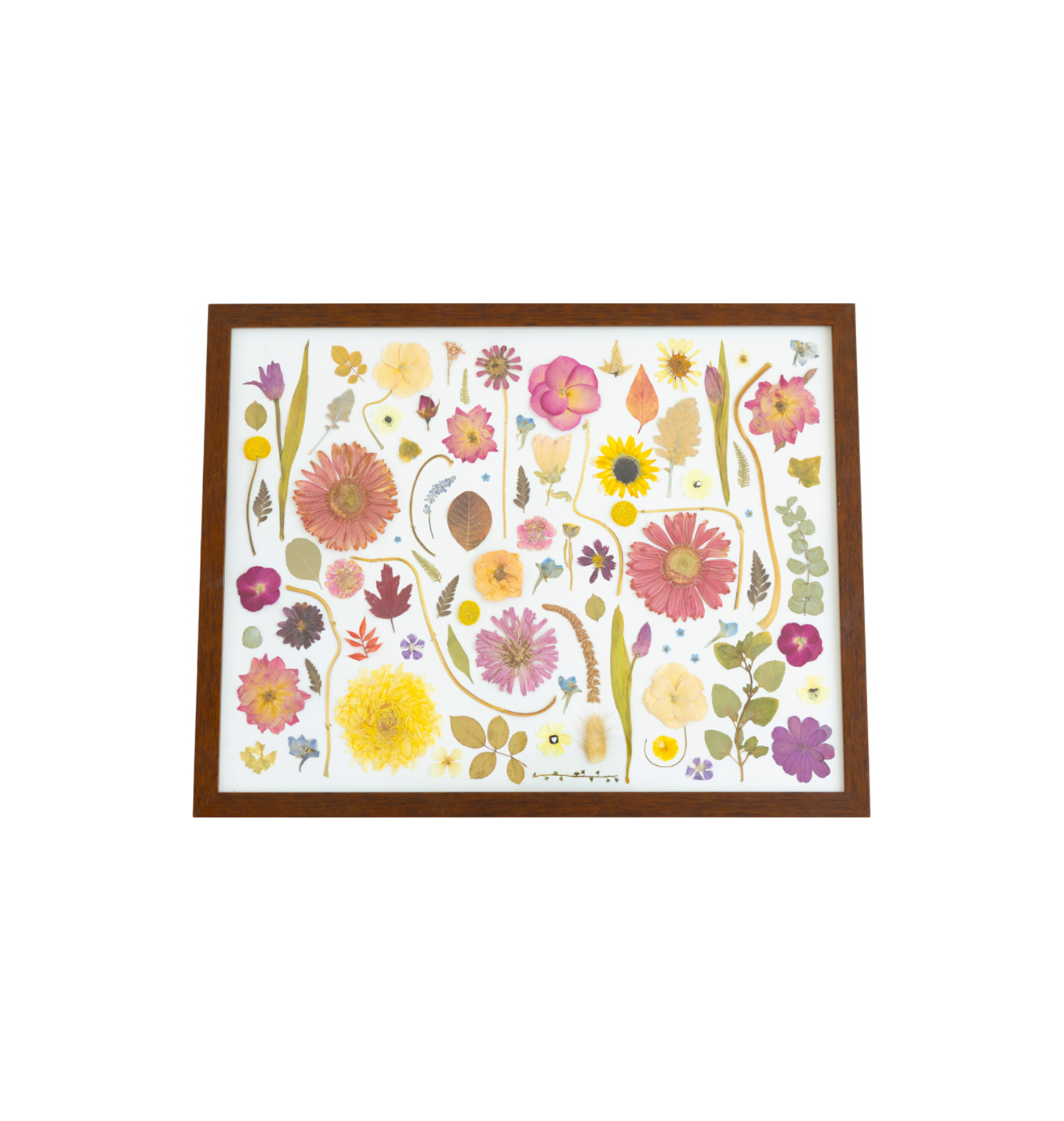
Before

After

Aging Over Time
All resin will amber over time, developing a warm yellow glow that resembles golden hour. This is a natural process that occurs with all types of resin and cannot be prevented. However, we use a high-grade UV-resistant resin that significantly slows this aging process.
Color Correction: Enhancing Natural Beauty
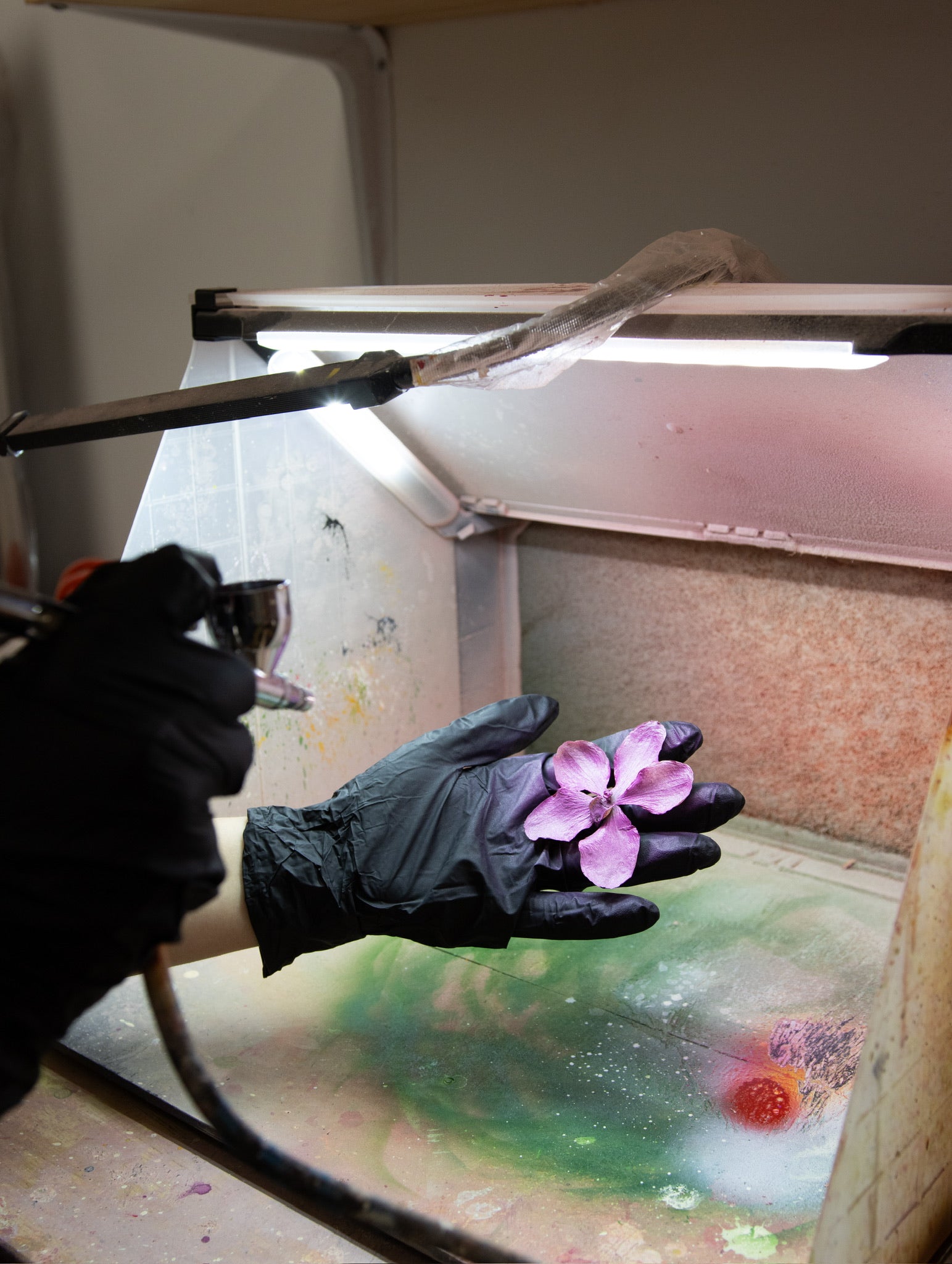
Color correction is between $50-$150 and can be added on later in the process. We offer color correction services to subtly enhance your preserved flowers. Our goal is to restore vibrancy while honoring the original essence of your bouquet and embracing its evolved beauty.
What’s the Difference Between Natural and Color Corrected?
For Resin Preservation
- Transparent spots on flowers in resin are natural and normal, not mold. Color correction can lighten blooms and reduce spotting if you prefer a cleaner look.
- Color correction may cause slight petal curling because of the added moisture in the process.
- We use a subtle approach with light paint layers to keep things looking natural. Heavily bruised flowers may need extra layers to cover damage.
Before

After

Before

After

For Pressed Preservation
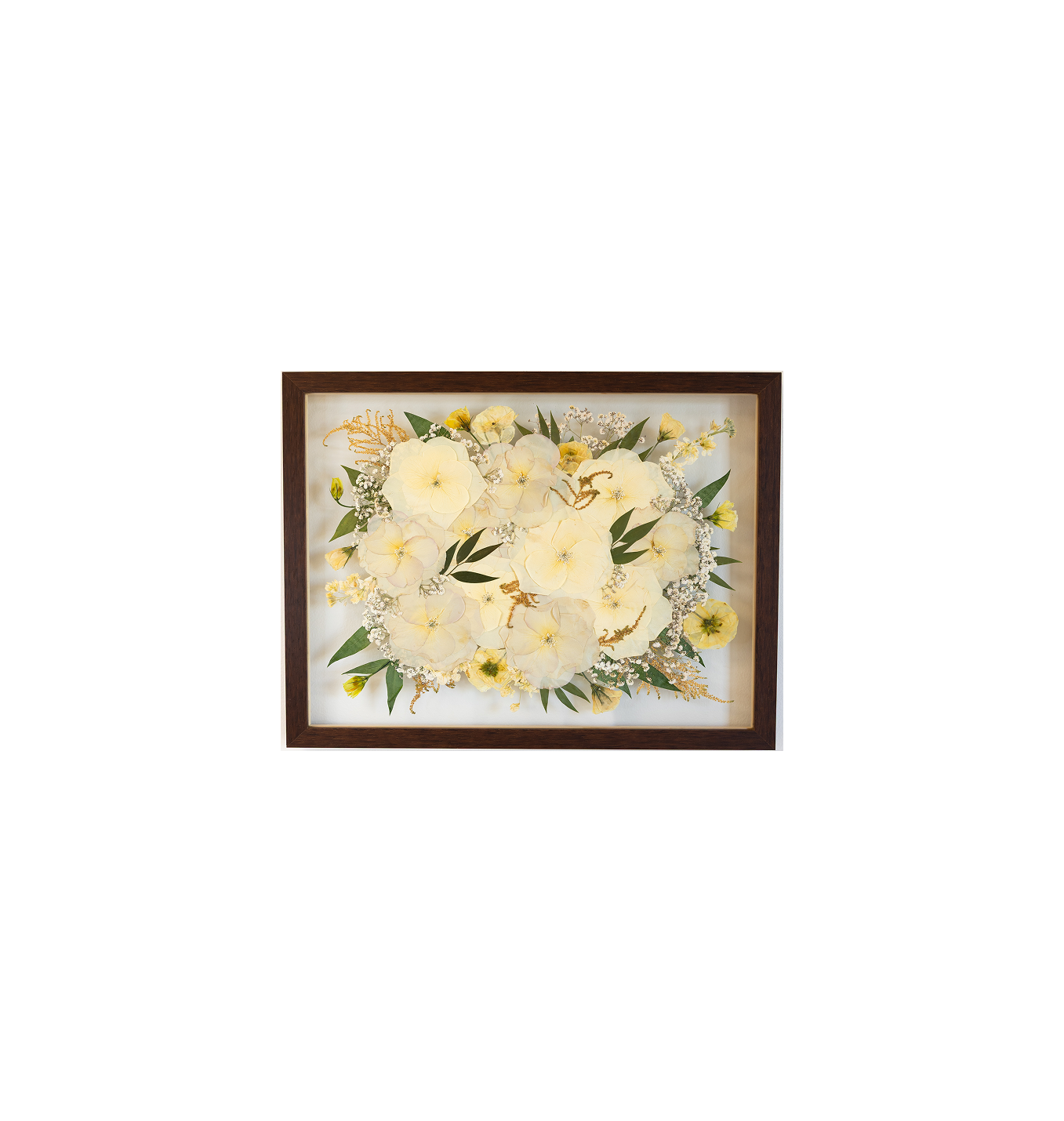
Natural flowers generally look best in pressed preservation, however, some flowers may need a bit of a touch up. All flowers in pressed preservations will fade naturally even with color correction. Color correction can slow this process. We want to ensure that the natural beauty shines through as much as possible. Our artists will get as close as possible to the original color of your flowers, but it will never be exact.
Before
After
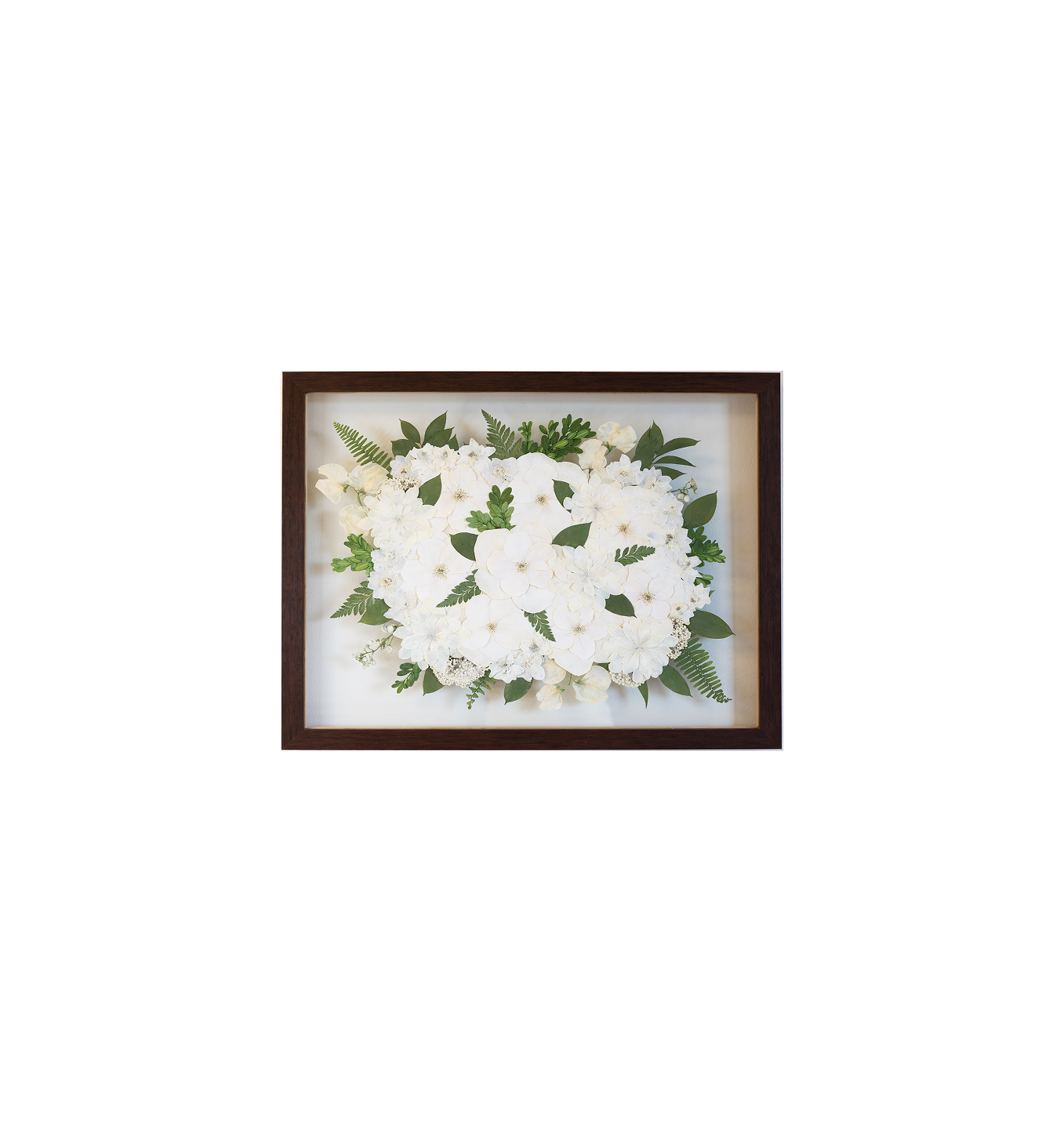
Before

After

Resin Preservation Expectations

Transparent spots are a natural part of the resin preservation process, especially with flowers like roses. These spots often appear where the blooms were touched on the wedding day or by the florist—capturing moments of their journey. Many clients love this organic detail, seeing it as part of their bouquet’s story. For those who prefer a more refined look, we offer color correction on larger pieces. However, please note that we do not color correct smaller items, so you can expect some transparency in most resin products.

Bubbles are a natural and expected part of the resin preservation process. While we’ve spent years perfecting our techniques and are known for our high-quality finishes, it’s important to note that some bubbles may still appear. Completely bubble-free resin is rarely achievable, but we do everything possible to minimize them and ensure a beautiful final piece.
We include one free design proof with every main preservation piece to ensure you love the layout before production or framing. Small items do not receive proofs due to fixed molds and the natural movement that can occur in resin.
For large pieces, you'll fill out a design form beforehand. Additional proofs are $75 each, or you can request simple changes like "add more greenery" without needing another proof.
Once approved, we'll match the design as closely as possible, though slight variations may occur due to the nature of the process.

Natural Resin Preservation
Flower Variability: Each Bloom's Unique Journey
Not all flowers respond the same to preservation. Species, freshness, and environmental conditions can all affect the final appearance. Below is a general guide of blooms that we can color correct and ones that we typically do not color correct. You may place your order and decide on color correction after consulting with our team later in the process.

List of flowers that we recommend for color correction
If there is a * next to any flower, this means we do not color correct this individual botanical under any circumstance. The remainder of the flowers we only color correct on a case by case basis and only by request.
Flowers that usually do not need color correction
- Hydrangeas
- Stock
- Delphenium
- Rannauculus
- Straw Flower *
- Blue thistle *
- Most greenery
- Wildflowers
- Foxglove
- Snapdragons
- Rice flower *
- Tweedia
- Forget-me-notes *
- Chamomile *
- Amaranths *
- Tulips
- Babies breath *
- Sea Lavender *
- Wax Flower *
- Allium
- Coxcomb *
- Bells of Ireland
- Campanula
- Hellbore
- Statice
- Daffodils
- Astilbe *
- Iris
- Veronica
- Spray chrysanthemums
- Yarrow
Flowers that benefit from color correction
- Tropical flowers
- Most roses
- White flowers
- Red flowers
- Lilly of the Valley
- Orchids
- Anemones
- Anthurium
- Calla lilies
- Chrysanthemums
- Proteas
- Lavender
- Quicksand Roses
Caring For Your Keepsake
Your custom heirloom is made to be loved for years to come. It is normal for them to collect dust over time just like anything else. To care for your preserved blooms properly, here are our tips.
Place your piece away from direct sunlight and humid environments to minimize fading and moisture damage.
Gently dust the frame with a soft, dry cloth. Avoid using cleaning agents on the glass or resin products. If you do need to use a cleaning product, use a natural spray. Glass cleaner is okay for pressed preservation.
Handle with care to prevent any accidental damage to the delicate preserved flowers. Do not display heavy resin items too high. They are very sturdy, but could cause damage to you, furniture or others around it if it fell.

The Blossom & Rhyme® Client Experience
We have had many 5-star reviews on Google that point out how great their overall experience is. This is not by accident. We strive first for beautiful products and second for a great experience for our clients.
The Client Experience - Explained
We have had many 5-star reviews on Google that point out how great their overall experience is. This is not by accident. We strive first for beautiful products and second for a great experience for our clients.
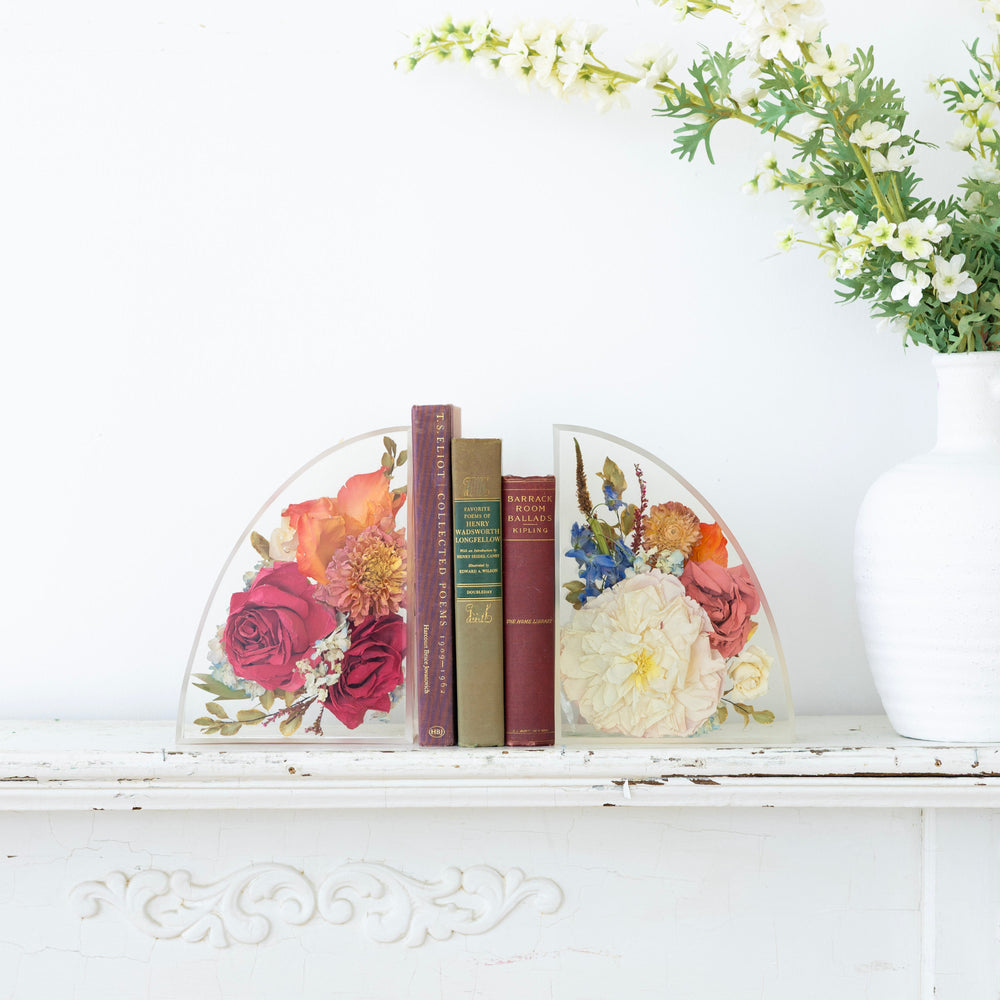
Heirloom-quality preservation is always our top priority.

Before we begin, you'll take a questionnaire to tell us exactly how you'd like your flowers preserved—every detail, your way.
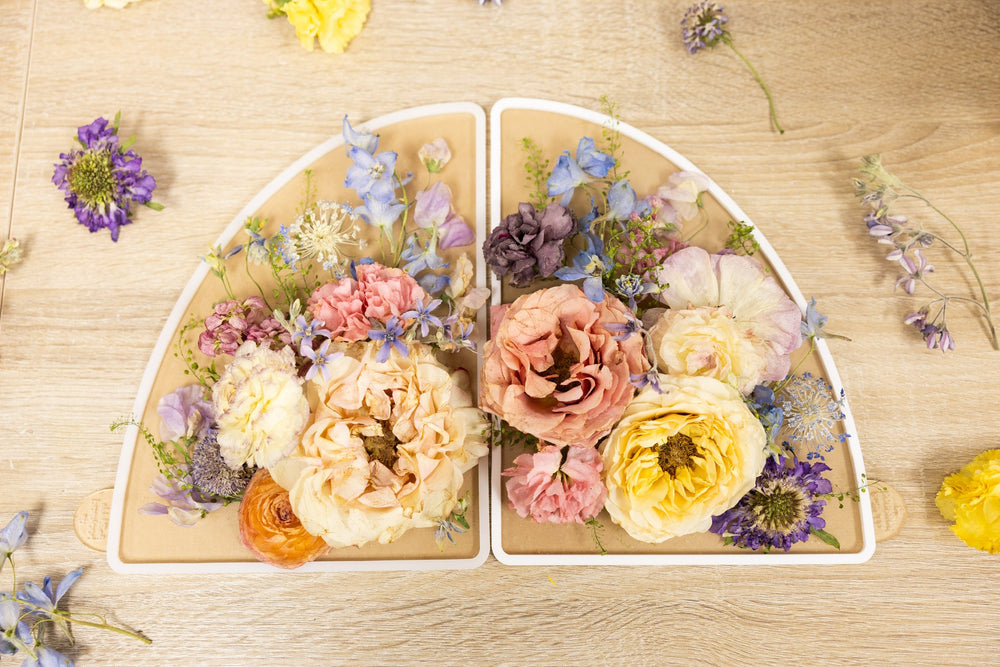
We send a free sneak peek for large preservations before resin or framing begins. You have the opportunity to approve the design or make any small changes. You may also request additional proofs for an added fee.
You'll get emails, texts and pre-recorded videos throughout the process to see behind the scenes at Blossom & Rhyme Studio.
Call or email us anytime during business hours (M–F, 9–5 EST).
Our AI assistant answers questions fast via email—then a real human takes it from there.


6-8 Month Timeline? Why?!
Flower preservation is a detailed, time intensive art. Each piece moves through careful drying, custom design, hand placement, and multiple finishing stages. For resin preservation, timelines under three months can be a red flag, as proper drying alone takes up to six weeks before design, pouring, and finishing even begin. We take each step seriously because your memories deserve thoughtful care.